Civil & Environmental Engineering
Engineers In Service To Society
6:1
undergraduate student to faculty ratio
Top 10
programs as ranked by U.S. News and World Report
46%
student population who identify as female
UNDERGRAD PROGRAMS
Learn about our bachelor’s degrees in civil engineering and environmental engineering
GRADUATE PROGRAMS
Take your education to the next level with a master’s or PhD degree
GRADUATE ADMISSIONS
What you need to know about applying to our graduate programs
Our Strategic Directions




VISIT OUR OFFICIAL YOUTUBE CHANNEL
We’re building on our enduring legacy to tackle some of the most complex challenges facing our society and our planet. More than any other engineering discipline, we are in service to society advancing the common good. Check out our YouTube channel to see why it’s great to be CEE!
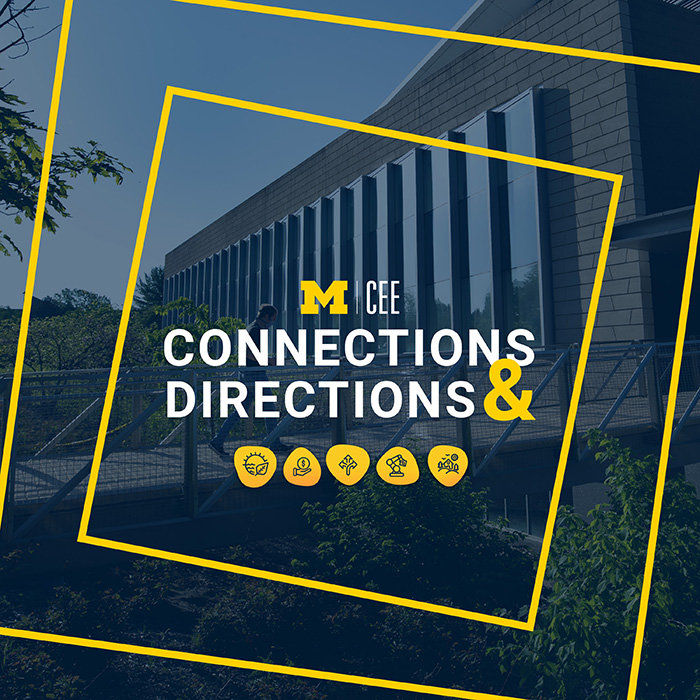
Check out the latest season of our podcast
CEE Connections & Directions is releasing Season 2 of our podcast, called “Serving Our Community.” As we continue our discussions with faculty, we will also highlight students and staff members, and how they support our department mission, Strategic Directions and DEI initiatives
recent News